
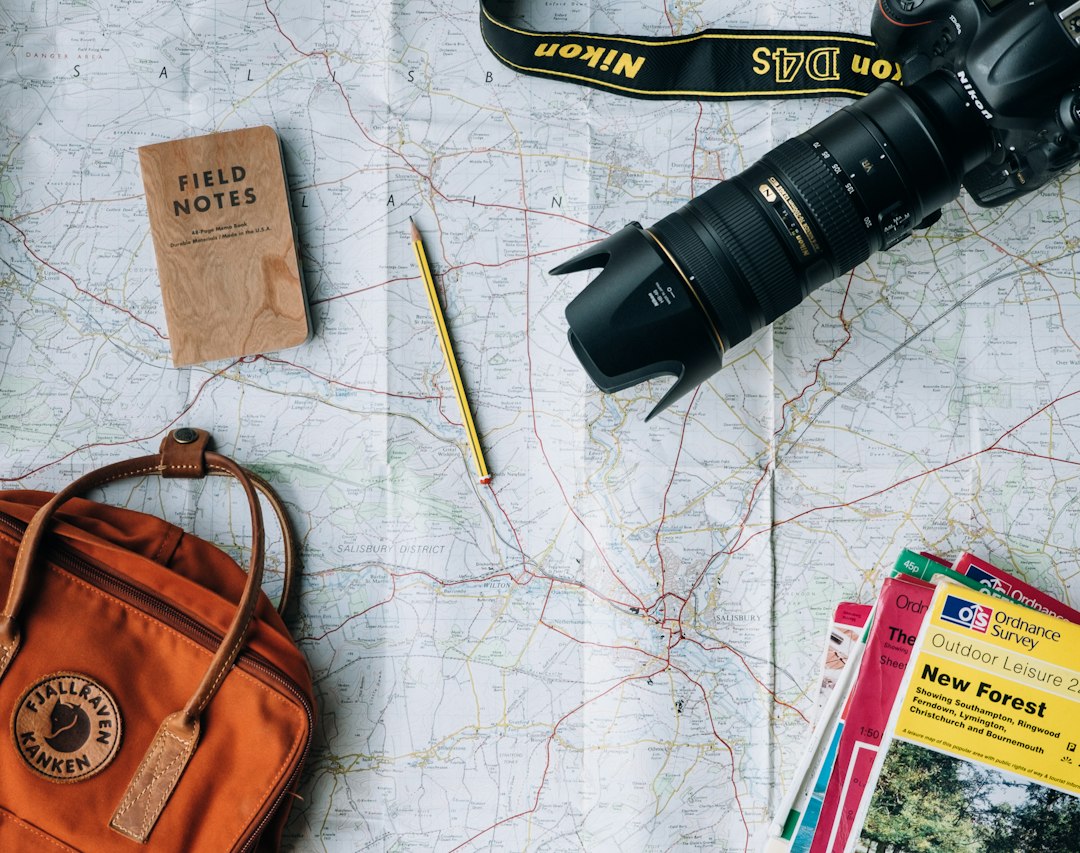
Dreaming of a far‑flung adventure without draining your savings? While Europe often dominates budget‑travel lists, the world offers countless affordable destinations that deliver unforgettable experiences for far less. This guide charts a 14‑day route across three continents, highlighting where to stay, what to eat, and how to stretch every dollar while soaking in local culture.
Why Look Beyond Europe for Cheap Travel?
Europe boasts efficient transport and a wealth of history, but it also comes with higher accommodation prices, pricey dining, and steep attraction fees. In contrast, many Asian, African, and South American countries combine low cost of living with vibrant traditions, diverse landscapes, and welcoming locals. By focusing on regions where your currency stretches further, you can allocate more of your budget to experiences—like hiking remote trails, tasting street‑food delicacies, and staying in family‑run guesthouses.

Day‑by‑Day Itinerary Overview
The following itinerary balances travel time, cultural immersion, and budget‑friendly activities. It assumes a moderate travel pace and uses a mix of night buses, low‑cost airlines, and local transport to keep expenses low.
Days 1‑4: Northern Thailand – Chiang Mai & Pai
Day 1: Fly into Chiang Mai (budget carriers often have sub‑$150 round‑trip fares from major Asian hubs). Check into a clean hostel in the Old City—dorm beds typically cost $8‑$12 per night.
Day 2: Explore the city’s temples—Wat Phra Singh and Wat Chedi Luang are free or accept modest donations. In the evening, wander the Saturday Night Market for inexpensive street snacks ($1‑$2 per bite).
Day 3: Join a day‑trip to Doi Suthep and the nearby Hmong village. Public songthaews (shared trucks) cost under $3 each way.
Day 4: Take the minibus to Pai (≈$6). The scenic 3‑hour ride offers mountain views. Settle into a bamboo bungalow ($10/night) and enjoy Pai’s laid‑back vibe.
Days 5‑7: Laos – Luang Prabang
Day 5: Travel by slow bus from Pai to Luang Prabang via Chiang Rai (≈$15, 10‑hour ride). Overnight in a budget guesthouse ($9/night).
Day 6: Rent a bicycle ($2) to explore the UNESCO‑listed town—visit Wat Xieng Thong, climb the Phousi Hill for sunset, and sip coffee at a riverside café.
Day 7: Join a local tour to the Kuang Si waterfalls (entry $1, transport $5). Swim in turquoise pools and trek the nearby forest trail.
Days 8‑9: Vietnam – Hanoi & Ha Long Bay
Day 8: Fly from Luang Prabang to Hanoi on a low‑cost airline (often under $80). Stay in a hostel near Hoan Kiem Lake ($10/night). Spend the afternoon strolling the Old Quarter and tasting bánh mì from street stalls.
Day 9: Book a budget day cruise of Ha Long Bay (≈$30, includes lunch and transport). Opt for a smaller boat to keep costs down while still witnessing the iconic limestone karsts.
Days 10‑11: Bolivia – La Paz
Day 10: Fly from Hanoi to La Paz (this long‑haul leg will be the biggest expense, but you can find deals around $500 if booked early). Stay in a hostel in the city center ($12/night).
Day 11: Ride the Mi Teleférico cable car for panoramic views (single ride $0.50). Visit the Witches’ Market for affordable souvenirs and sample salteñas (savory pastries) for under $1 each.
Days 12‑14: Ecuador – Quito & Otavalo
Day 12: Take a night bus to Quito ($30). Explore the historic Plaza Grande and the Panecillo viewpoint. Budget meals at local “cuy” eateries cost $2‑$3.
Day 13: Day‑trip to the Indigenous market town of Otavalo (bus $5 round‑trip). Even if you don’t buy, the vibrant textiles and music are worth the visit.

Day 14: Return to Quito, catch a flight home, and reflect on the diverse cultures you’ve encountered—all under $1,500 total, not including flights from your home country.
Money‑Saving Tips for the Whole Trip
1. Embrace Night Transport: Overnight buses and trains turn travel time into sleep time, saving on a night’s accommodation.
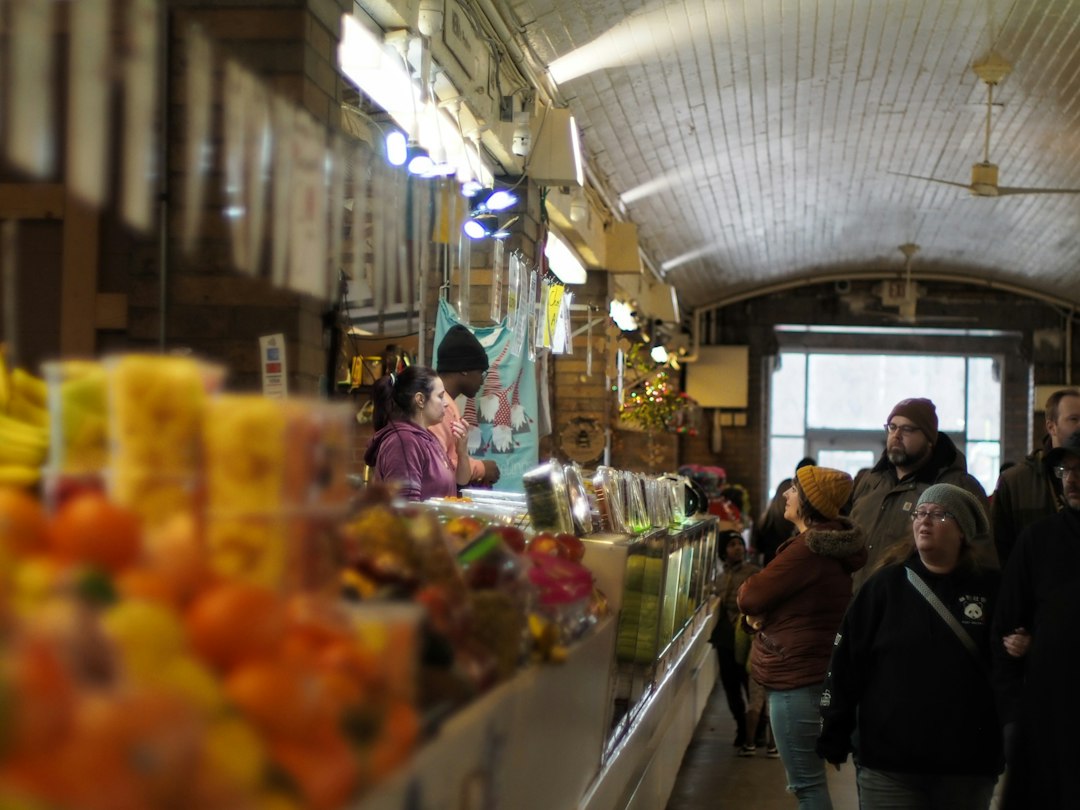
2. Eat Where Locals Eat: Street food and market stalls offer authentic flavors at a fraction of restaurant prices. A typical meal can be $1‑$3.
3. Choose Hostels or Guesthouses: Shared rooms and family‑run stays provide cultural immersion and lower costs than hotels.
4. Use Local SIM Cards: Data packs are cheap (≈$5 for 10 GB) and keep you connected for navigation and budget apps.
5. Book Activities Directly: Skip third‑party tour operators; arrange hikes, boat trips, and museum tickets on the spot for lower rates.
What to Pack for a Budget Backpacking Adventure
Travel light to avoid extra baggage fees. A versatile 40‑liter backpack, a quick‑dry shirt, a pair of durable leggings, a compact rain jacket, and a lightweight sleeping bag liner are enough. Pack a reusable water bottle and a set of zip‑lock bags for food and wet clothes.
While this itinerary focuses on cost, it never compromises on the richness of experience. From the misty hills of Northern Thailand to the high‑altitude streets of La Paz, each destination offers a unique slice of local life that proves travel doesn’t have to be expensive to be extraordinary.
Ready to trade pricey museums for bustling markets, crowded cafés for tranquil waterfalls, and cramped hotels for friendly homestays? Grab your backpack, set a modest budget, and let the world’s hidden gems surprise you.


Leave a comment
This site is protected by hCaptcha and the hCaptcha Privacy Policy and Terms of Service apply.