
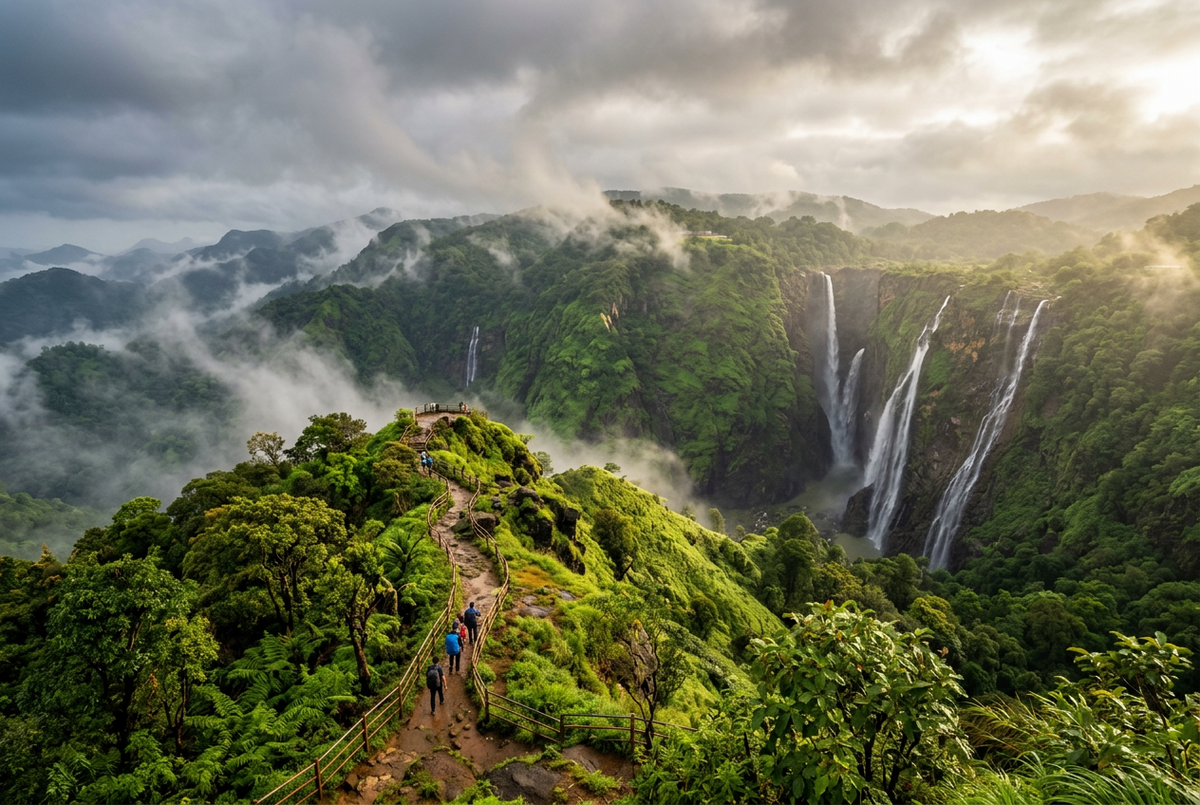
When the monsoon clouds roll over the Western Ghats, the world transforms. The air fills with the scent of wet earth, waterfalls swell into roaring cascades, and the dense forests of Karnataka burst into a kaleidoscope of greens. Among the many hidden gems that come alive during this season, the Kudremukh region stands out as a living postcard – a place where mist‑clad peaks, tea‑scented valleys, and vibrant tribal culture converge. This guide invites you to step off the beaten path and experience the monsoon’s most enchanting side in the heart of the Western Ghats.
Why Kudremukh Is a Monsoon Treasure
Kudremukh, meaning "Horse Face" in the local language, gets its name from a distinctive rock formation that resembles a galloping horse when viewed from certain angles. The area is part of the Kudremukh National Park, a UNESCO World Heritage Site known for its biodiversity, rolling hills, and the iconic Kudremukh Peak that pierces the clouds at 1,894 metres. While the region is a year‑round haven for nature lovers, the monsoon season (June to September) adds a layer of mystique that is hard to match.

During the rains, the landscape transforms dramatically. The forest canopy, already dense, becomes a living veil of mist, and hidden waterfalls roar into life. The famous Kerehalla waterfall, usually a modest trickle, becomes a thunderous cascade that can be heard from several kilometres away. Trails that are merely scenic walks in summer turn into exhilarating treks, demanding both stamina and a sense of adventure.
Getting There: The Journey Begins
Reaching Kudremukh is part of the adventure. The nearest major transport hub is Mangalore, about 150 km away, with an international airport and a well‑connected railway station. From Mangalore, you can hire a private cab or take a KSRTC bus to the town of Kalasa, the gateway to Kudremukh. The drive itself is a visual feast – winding roads snake through coffee plantations, pepper farms, and paddy fields that turn into shimmering mirrors after a rain shower.
For those seeking an eco‑friendly option, the state runs a limited number of shared jeeps that follow the same route, offering a chance to chat with fellow travelers and locals alike. Once in Kalasa, you’ll find modest guesthouses and homestays run by the local community. Staying with a host family not only supports the economy but also provides authentic insights into the region’s culture and cuisine.
Essential Trekking Tips for the Monsoon
Monsoon trekking requires a bit more preparation than a dry‑season hike. Here are some practical pointers to keep you safe and comfortable:
- Footwear: Choose waterproof trekking boots with good ankle support. The trails become slippery, especially around river crossings.
- Gear: Pack a lightweight rain jacket, a poncho, and a quick‑dry backpack cover. A waterproof dry bag for electronics and valuables is essential.
- Navigation: While the main routes are marked, mist can obscure trail signs. Carry a physical map of the Kudremukh trail network and a fully charged GPS device.
- Hydration: The humidity can be deceptive. Carry at least 2 litres of water per person and a portable water‑purification system, as natural water sources may be contaminated after heavy rains.
- Health: Pack basic first‑aid supplies, anti‑fungal powder for your feet, and any personal medication. Mosquitoes thrive in the monsoon, so bring a reliable repellent.
Most importantly, respect the environment. The park is a protected area, and litter can quickly degrade the fragile ecosystem. Carry a small trash bag and pack out everything you bring in.
The Trek: From Kalasa to Kudremukh Peak
The classic trek begins at the Kalasa bus stand, where a short 2 km forest trail leads you to the base camp near the Kerehalla waterfall. The first day is an easy acclimatization walk, allowing you to soak in the mist‑laden atmosphere and listen to the waterfall’s roar. Evening at the base camp is a magical experience: the rain patters on the canvas roof of the homestay, and the distant sound of waterfalls becomes a lullaby.
On day two, the real trek starts. The path climbs steadily through shola forests – a unique type of stunted tropical montane forest that is home to endemic orchids, rhododendrons, and the elusive Nilgiri langur. As you ascend, the canopy opens intermittently, revealing breathtaking vistas of rolling hills cloaked in clouds.
The highlight of the trek is the summit of Kudremukh Peak. Reaching the top just after a brief shower, you stand atop a sea of clouds, with the sun breaking through and casting golden light over the landscape. The view is a panoramic sweep of the Western Ghats, dotted with emerald valleys, mist‑shrouded peaks, and the distant glimmer of the Arabian Sea on a clear day.
For the adventurous, a lesser‑known side trail leads to the pristine Bhadra River gorge. The gorge features a series of natural stone pools, perfect for a quick dip – though be mindful of currents after heavy rains.
Immersing in Local Culture and Cuisine
The Kudremukh region is home to the Are Bhasma tribal community, whose traditions have been shaped by the forest for centuries. Staying in a tribal homestead gives you the chance to witness daily rituals, such as the “Padi Padi” dance performed around a communal fire during monsoon evenings. The rhythmic beats of the dhol and the vibrant colors of traditional attire create an unforgettable cultural tableau.
Food in Kudremukh is a celebration of the forest’s bounty. Expect hearty meals featuring locally grown rice, fresh fish from the river, and the famed “Kudremukh mushroom curry,” made with wild mushrooms harvested after the rains. The dish’s earthy flavor pairs perfectly with a side of “akki rotti,” a crisp rice flatbread cooked on a hot stone. Don’t miss the sweet treat “payas,” a milky rice pudding flavored with cardamom and jaggery – ideal for warming up after a chilly trek.
If you’re a coffee enthusiast, a short detour to a nearby plantation offers a tasting session of freshly roasted Arabica beans, grown on the mist‑kissed slopes surrounding the park. The aromatic brew, served in traditional “kaapi” cups, is a perfect companion to a quiet moment of reflection amid the clouds.
Responsible Travel: Giving Back to the Hills
Traveling responsibly in fragile ecosystems like Kudremukh ensures that future generations can also experience its magic. Here are simple ways to make a positive impact:
- Support Local Enterprises: Choose homestays, local guides, and community‑run eateries over large resorts.
- Participate in Conservation Activities: Several NGOs organize tree‑planting drives and clean‑up campaigns during the monsoon. Volunteering a few hours can make a noticeable difference.
- Respect Wildlife: Maintain a safe distance from animals, avoid feeding them, and keep noise levels low, especially during early mornings.
- Leave No Trace: Carry out all waste, use biodegradable soaps, and stick to marked trails to protect delicate vegetation.
By integrating these practices into your journey, you become part of the stewardship that preserves Kudremukh’s pristine beauty.
When to Go and What to Expect
The monsoon season in Kudremukh peaks between late July and early September. This window offers the most dramatic scenery, with waterfalls at full force and the forest at its verdant best. However, heavy rains can occasionally trigger landslides, so it’s wise to check local weather updates and park advisories before setting out.
Temperatures during the day hover between 15°C and 22°C, while nights can dip to 10°C, especially at higher elevations. Pack layers – a thermal shirt, a fleece, and a waterproof outer shell – to stay comfortable.
In terms of crowd levels, the monsoon trek is still relatively under‑the‑radar compared to popular hill stations like Coorg or Ooty. You’ll encounter fellow trekkers, but the sense of solitude remains strong, especially on the higher reaches of the trail.
Wrapping Up the Experience
Monsoon trekking in Kudremukh is more than an outdoor adventure; it’s an immersion into a living, breathing landscape that feels both ancient and ever‑changing. From the thunderous waterfalls and mist‑cloaked peaks to the warm hospitality of tribal families, the region offers a holistic travel experience that awakens all senses.
Whether you’re a seasoned trekker looking for a fresh challenge or a curious traveler yearning for a deeper connection with nature, the rains of the Western Ghats will welcome you with open arms. Pack your waterproof boots, respect the environment, and let the monsoon’s magic guide you to the hidden heart of Kudremukh.

Leave a comment
This site is protected by hCaptcha and the hCaptcha Privacy Policy and Terms of Service apply.