
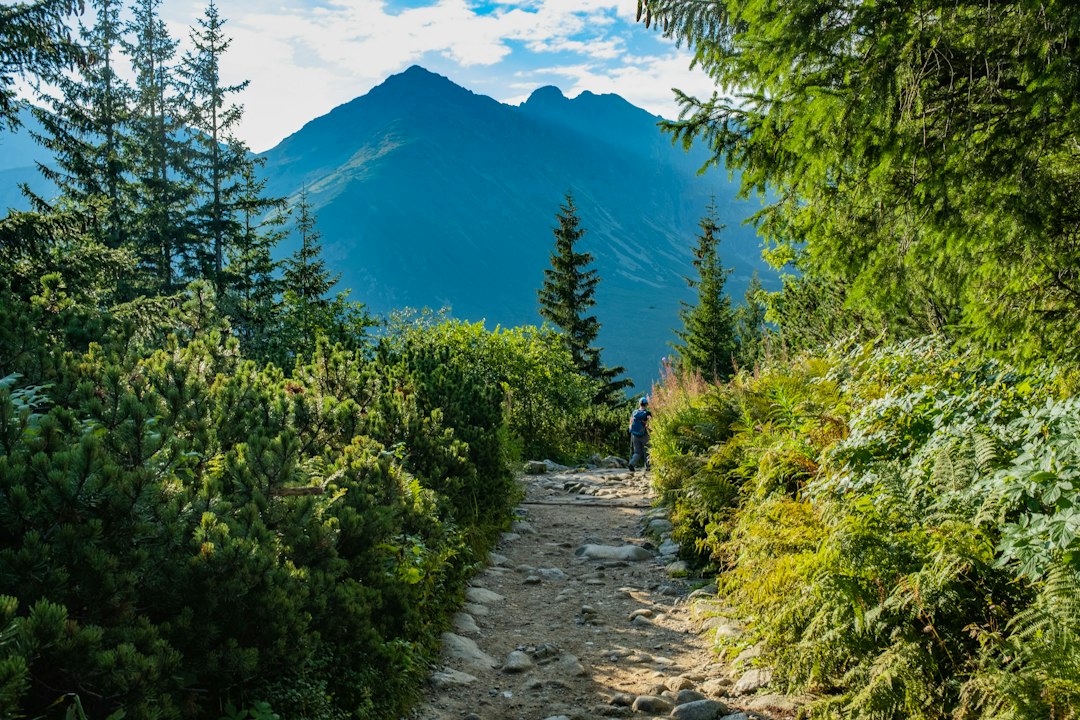
When I set foot on the wind‑swept steppe of Patagonia, the sheer scale of the landscape forced a simple truth on me: every ounce counts. I was about to spend three weeks trekking from the towering granite spires of Torres del Paine to the mist‑cloaked forests of Los Glaciares, and I quickly realized that the way I packed would either amplify the magic of the journey or turn it into a struggle. This is the story of that adventure and the packing principles I distilled from it—principles that can keep any traveler prepared, no matter the continent or the contingency.
Why Patagonia Demands a New Packing Mindset
The southern tip of South America is famous for its dramatic weather swings. A sunny morning can morph into a snowstorm by afternoon, and temperatures can plunge from comfortable highs to sub‑zero lows within hours. The terrain is equally unforgiving, ranging from icy glacier walks to rugged mountain passes. In such an environment, a poorly organized bag becomes a liability. I learned early that the traditional ‘just throw everything in’ approach was untenable; instead, I needed a system that prioritized versatility, weight, and protection.

The Packing Philosophy Born on the Trail
My first night in a modest refugio in El Chaltén, after a grueling 20‑kilometer hike, gave me the space to rethink my gear. I wrote down three questions that would shape my packing for the rest of the trip:
- What can serve multiple purposes?
- What items are truly essential versus nice‑to‑have?
- How can I protect my gear from the elements without adding bulk?
Answering these questions led me to a minimalist yet resilient packing strategy that I now share with fellow travelers.
Core Items That Earn Their Keep
Every traveler’s checklist looks similar on the surface, but Patagonia forced me to trim the fat. The following five items proved indispensable and justified every gram they occupied:
- Hybrid Insulated Jacket – A down‑synthetic blend that provides warmth even when damp, and can double as a pillow on long bus rides.
- Packable Rain Shell – A lightweight, breathable waterproof layer that folds into its own pocket, perfect for sudden downpours.
- Multi‑Tool – A compact unit with a knife, screwdriver, and bottle opener, useful for campsite repairs and trail snacks.
- Compression Sacks – Two lightweight sacks that shrink the volume of my sleeping bag and clothing, freeing space for souvenirs.
- Reusable Water Bottle with Filter – Eliminated the need for disposable bottles and ensured safe hydration from glacial streams.
Each piece was selected for its dual function, reducing the total number of items while covering a broader range of scenarios.
Layering for Every Climate
Patagonia’s climate is a masterclass in layering. I adopted the classic three‑layer system—base, mid, outer—yet refined it to suit rapid weather changes:
- Base Layer: Merino wool long‑sleeve top and leggings. Merino regulates temperature, resists odor, and dries quickly.
- Mid Layer: Fleece zip‑up that can be worn alone or under the jacket for extra warmth.
- Outer Layer: The aforementioned rain shell, which also serves as a windbreaker.
The key was to keep each layer thin enough to stack without feeling cumbersome. By swapping layers on the move, I could adapt to a sunny afternoon, a windy ridge, or a sudden snow shower without unpacking my entire bag.

Space‑Saving Hacks from the Road
Beyond selecting versatile gear, I employed several packing tricks that maximized space and accessibility:
- Rolling vs. Folding: Rolling clothes reduced creases and saved up to 30% more space than traditional folding.
- Stuff Sacks for Dirty Laundry: A lightweight mesh bag kept used garments separate, preventing odors from contaminating clean items.
- Strategic Placement: Heavier items—like the sleeping bag—went at the bottom near the frame for balance, while items needed on the fly—like snacks and a rain poncho—were stored in outer pockets.
- Ziplock Organization: Small ziplock bags held electronics, chargers, and toiletries, making it easy to locate items without rummaging.
These methods turned my 45‑liter backpack into an efficient, well‑ordered hub that felt lighter than it was.
Leaving Room for the Unexpected
One of the most rewarding parts of the Patagonian trek was the spontaneous decision to join a local gaucho for a horseback ride across a glacial valley. I had left a spare compartment in my pack exactly for moments like this—room for an extra pair of shoes, a souvenir scarf, or a surprise invitation. The lesson? Never pack to the absolute limit; always reserve about 10% of your pack’s capacity for the unplanned experiences that define travel.
When the journey concluded, I returned home with a lighter bag, a fuller heart, and a set of packing principles that have served me on continents from Africa to Southeast Asia. Whether you’re navigating the bustling streets of Bangkok or the remote highlands of the Scottish Isles, these strategies—prioritizing multi‑use gear, mastering layering, and embracing smart organization—will help you travel lighter, stay prepared, and make space for the unforgettable moments that happen off the itinerary.


Leave a comment
This site is protected by hCaptcha and the hCaptcha Privacy Policy and Terms of Service apply.