
When most travelers think of Italy, the mental menu often stops at pizza Margherita and a steaming plate of spaghetti. Yet the country’s culinary tapestry is far richer, woven from centuries‑old regional traditions, seasonal harvests, and a deep love for simple, honest ingredients. This guide takes you on a flavorful trek across Italy’s diverse landscapes, uncovering dishes that rarely make the tourist brochures but define the everyday palate of locals.
Northern Comforts: Risotto, Polenta and Alpine Bounty
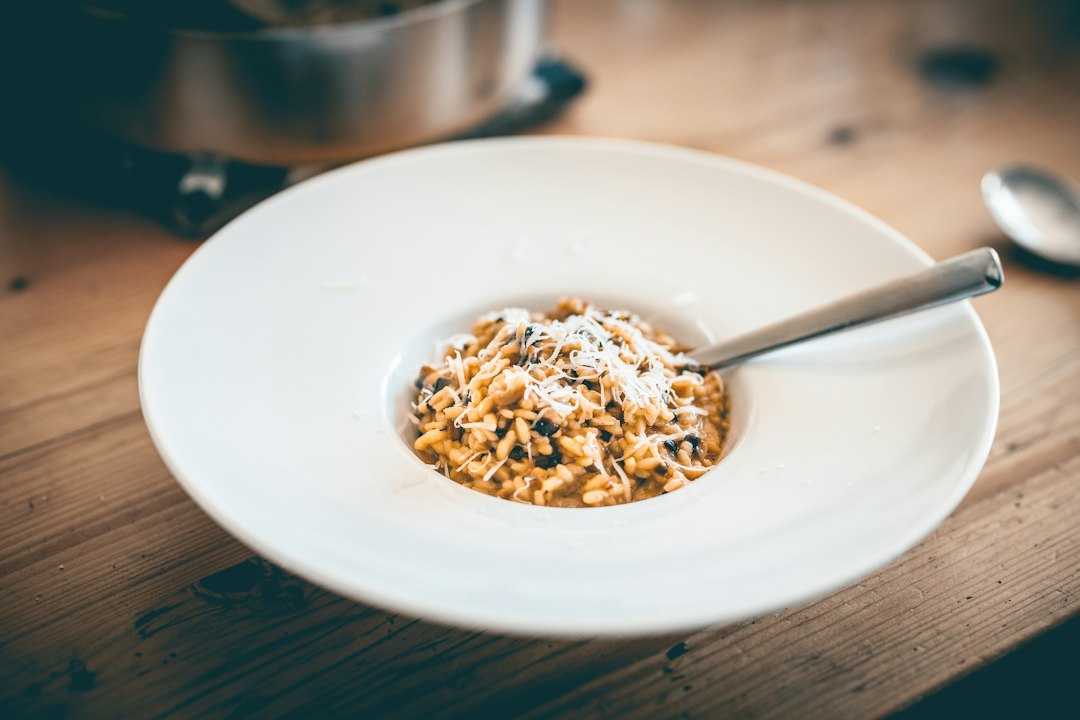
The misty valleys of Lombardy, Piedmont and the Veneto are famed for their buttery risottos and hearty polentas. In Milan, risotto alla Milanese—infused with saffron, butter, and a splash of white wine—offers a golden, creamy canvas that showcases the region’s prized rice. Venture a little farther to the Alpine town of Trento, where polenta taragna blends cornmeal with buckwheat flour, then finishes with a generous handful of locally sourced cheese and a drizzle of melted butter. The result is a rustic, comforting dish that perfectly complements the area’s game meats and mushroom foraging traditions.

Seasonality drives these northern plates. In autumn, the forests yield porcini mushrooms that are sautéed and folded into risotto, while winter brings chestnuts, often roasted and mixed into polenta for a subtly sweet undertone. Pair any of these dishes with a glass of Nebbiolo or Barolo, and you’ll taste the terroir as much as the cuisine.
Central Italy: Porchetta, Pecorino and the Art of Simplicity
From the rolling hills of Tuscany to the historic streets of Umbria, central Italy celebrates meat and cheese with an unpretentious flair. The star of many Tuscan tables is porchetta—a whole, boneless pork roast seasoned with rosemary, fennel, garlic, and black pepper, then slow‑roasted until the skin crackles into a fragrant, savory crust. Street vendors in Rome often serve thin slices of porchetta in crusty ciabatta, a quick bite that feels like a celebration of the region’s pastoral heritage.
Cheese lovers will find a paradise in Pecorino. While Pecorino Romano is the most exported, the lesser‑known Pecorino di Pienza from the Val d’Orcia offers a buttery, slightly sweet profile perfect for shaving over warm pasta, or simply enjoying with honey and fresh figs. In Umbria, the village of Norcia is renowned for its cured meats—especially the spiced pork sausage cotechino—which, when simmered with lentils on New Year’s Day, promises prosperity for the coming year.
Southern Sun: Seafood, Street Snacks and Bold Flavors
The sun‑kissed coasts of Campania, Puglia, and Calabria serve up a bounty of seafood that rivals any coastal cuisine worldwide. In the bustling markets of Naples, you’ll find spaghetti alle vongole (spaghetti with clams) cooked al dente, tossed in a light sauce of olive oil, garlic, white wine, and a pinch of red pepper flakes—a dish that lets the briny clams shine. Further east, the Adriatic town of Bari offers orecchiette con le cime di rapa, where tiny ear‑shaped pasta embraces bitter rapini, anchovies, and a generous sprinkle of Pecorino.
Street food in the south is a celebration of bold, unapologetic flavors. In Palermo, the iconic arancini—golden, fried rice balls stuffed with ragù, mozzarella, and peas—are a snack that transcends class lines, enjoyed by locals and tourists alike. In Calabria, the fiery ‘nduja (spicy spreadable salami) is often slathered on freshly baked focaccia, delivering a punch of heat that awakens the palate.
Island Treasures: Sardinia and Sicily’s Unique Culinary Identity
Sardinia, the second‑largest Mediterranean island, boasts a cuisine shaped by shepherds and fishermen. The iconic porceddu (roast suckling pig) is seasoned simply with myrtle and sea salt, then slow‑cooked over an oak fire, resulting in tender meat and crisp skin. Accompanying it is pane carasau, a paper‑thin flatbread that crackles when broken and is perfect for scooping up olive oil or cheese.
Sicily, a melting pot of Arab, Spanish and Greek influences, offers dishes that sing of sweet and savory together. The island’s caponata—a stew of eggplant, tomatoes, capers, olives, and a sweet‑sour vinegar glaze—is a staple at every family table. For dessert, the cannoli—crispy pastry tubes filled with sweet ricotta, citrus zest, and candied fruit—captures the island’s love for bright, aromatic flavors. And don’t overlook granita, the icy, slushy treat that varies by town: lemon in Palermo, almond in Catania, and coffee in Messina.
Why Exploring Italy’s Lesser‑Known Dishes Enriches Your Journey
Venturing beyond the well‑trodden culinary paths allows you to connect with the rhythm of everyday Italian life. Whether you’re sharing a bowl of risotto with a local farmer in a Lombardy village, biting into a hot arancino on a Palermo street corner, or sipping a chilled glass of Vermentino while tasting fresh octopus in Sardinia, food becomes a gateway to stories, traditions, and the people who keep them alive.
So next time you plan an Italian getaway, map out your meals as carefully as you map out your sights. Seek out family‑run trattorias, bustling market stalls, and regional festivals. Let the flavors guide you, and you’ll discover that Italy’s true culinary heart beats far beyond pizza and pasta.



Leave a comment
This site is protected by hCaptcha and the hCaptcha Privacy Policy and Terms of Service apply.