
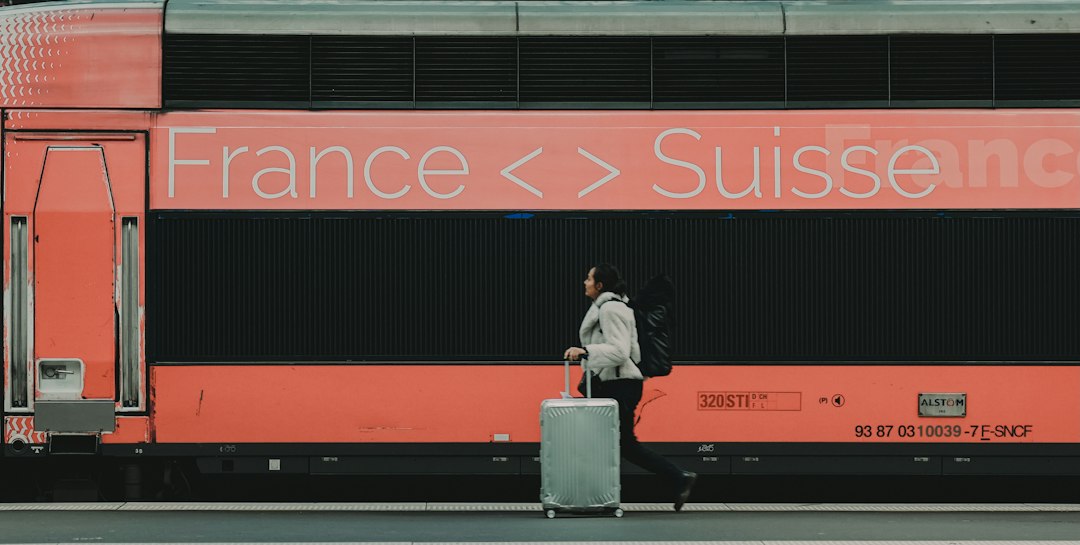
There’s something uniquely romantic about gliding from one European city to another on a sleek train, watching landscapes shift from rolling vineyards to glittering coastlines while the world slides by. Yet the freedom of rail travel can quickly turn into a logistical puzzle if you’re not prepared. From squeezing your belongings into a compact bag to staying comfortable on a four‑hour night service, the difference between a stress‑free adventure and a weary trek often lies in the details. In this guide we’ll unpack the essentials—literally and figuratively—so you can travel smarter, more comfortably, and with confidence on any multi‑city train itinerary.
1. Map Your Route and Master the Timetables
Before you even think about what to pack, the backbone of a smooth rail trip is a well‑planned schedule. European rail networks are extensive, but they each have quirks. High‑speed services such as France’s TGV or Germany’s ICE run on strict, often‑punctual timetables, while regional trains may be more flexible but less frequent. Use a reliable planner like the Eurail app or national railway websites to download PDF timetables for offline access—cell service can be spotty in mountain passes.
Key steps:
• Identify the primary hubs (e.g., Paris, Zurich, Venice) and the connecting regional lines you’ll need.
• Note platform change requirements; some stations have multiple levels and walking distances that can affect luggage handling.
• Reserve seats where possible, especially on popular routes, to guarantee a spot for your bag and to avoid the chaos of standing‑room‑only cars.

Having a clear visual of departure and arrival times lets you allocate realistic windows for station navigation, meals, and any quick sightseeing stops, reducing the chance of missed connections.
2. Master Minimalist Packing for Rail Journeys
Train travel rewards smart packing more than any other mode of transport. You’ll be navigating narrow aisles, storing luggage in overhead racks, and possibly juggling a small suitcase on a crowded platform. The goal is to travel light without sacrificing the items that make your trip comfortable.
Choose the right bag. A medium‑sized travel backpack with a padded back panel and a streamlined silhouette fits most overhead compartments and can be comfortably carried on uneven cobblestones. Look for models with external compression straps to keep the load compact.
Adopt a modular packing system. Packing cubes or zip‑lock pouches act as mini‑drawers inside your bag, allowing you to separate clothing by day, activity, or weather condition. This reduces the time spent rummaging through a chaotic sack when you need a change of shirt before a dinner reservation.

Layer, don’t fold. Rolling garments maximises space and minimises wrinkles, while layering (e.g., a lightweight fleece over a base‑layer shirt) lets you adapt to fluctuating temperatures inside the carriage without adding bulk.
Essentials to include:
- One versatile day‑to‑day outfit (neutral colours that mix‑and‑match).
- Two interchangeable tops and a pair of comfortable trousers.
- A compact rain jacket or packable windbreaker.
- Travel‑size toiletries stored in a leak‑proof toiletry bag.
By keeping your main bag under 15 kg, you’ll glide through security checks and platform crowds with ease, and you’ll have room for souvenirs without overloading the train’s luggage racks.
3. Stay Comfortable on Long‑Distance Carriages
Even with the best packing, a four‑hour night train can become a test of endurance. Comfort is not a luxury; it’s a necessity for arriving refreshed at your next destination.

Invest in a travel pillow. A memory‑foam neck pillow that straps onto the headrest provides support for both upright seats and reclining couchettes. Choose a design with a washable cover for hygiene on shared cabins.
Layer your seating. A lightweight, breathable blanket or a compact fleece can double as a seat cushion, adding a bit of padding to hard seats while also keeping you warm when the carriage’s climate control dips.
Mind the lighting. Many trains offer individual reading lights; if not, a small rechargeable LED lamp clipped to the headrest can prevent eye strain during late‑night reading or work.
For those who value extra privacy, a simple fold‑over privacy screen—available in sleek fabric versions—creates a personal nook without violating carriage etiquette.

4. Organise Essentials for On‑Board Convenience
While you’re cruising through the Alps or the Rhine Valley, you’ll need quick access to certain items. A chaotic bag can lead to missed connections or spilled coffee.
Dedicated compartments. Use the front zip pocket of your backpack for travel documents, tickets, and a pen—items you’ll need to pull out at stations. A small RFID‑blocking wallet keeps passports and cards safe from electronic pick‑pocketing.
Hydration strategy. Bring an empty, collapsible water bottle through security, then fill it at station fountains. This saves space compared to carrying a full bottle and reduces plastic waste.
Snack smart. Pack a few protein bars, nuts, and dried fruit in a zip‑lock bag. Having a bite handy prevents you from hunting for a café during a short layover.

All of these items can be neatly arranged in the same packing cube system mentioned earlier, ensuring that the bag’s interior remains tidy and that you can locate anything in under ten seconds.
5. Make the Most of Station Stops and Layovers
Rail journeys often include brief station stops that are perfect opportunities to stretch, refresh, and soak in local flavor without derailing your schedule.
Quick exploration. Identify a landmark or market within a ten‑minute walk from the platform. Even a brief stroll can give you a taste of the city’s atmosphere before you head back on board.
Refresh stations. Many major hubs feature clean restroom facilities, charging stations, and even small lounges where you can relax for a few minutes. Keep a compact travel towel in your toiletry bag for freshening up after a long ride.
Secure your belongings. Use a luggage lock (a TSA‑approved cable lock works well) on any larger suitcase stored in the overhead rack, and keep your backpack close to you while you explore.
By treating each stop as a micro‑adventure, you transform a simple transit point into a memorable part of your journey, enriching the overall travel experience.
Conclusion
Multi‑city train travel across Europe offers unparalleled freedom, but it demands a blend of strategic planning, smart packing, and on‑board comfort hacks. By mapping your route meticulously, embracing minimalist luggage solutions, and equipping yourself with a few thoughtfully chosen accessories—such as a supportive travel pillow, a modular packing system, and a reliable travel backpack—you’ll glide through stations, settle into carriages, and arrive at each destination feeling refreshed and ready for the next adventure. The rails may be fixed, but the way you experience them is entirely up to you. Travel smarter, travel comfortably, and let the journey become as rewarding as the places you discover.


Leave a comment
This site is protected by hCaptcha and the hCaptcha Privacy Policy and Terms of Service apply.